

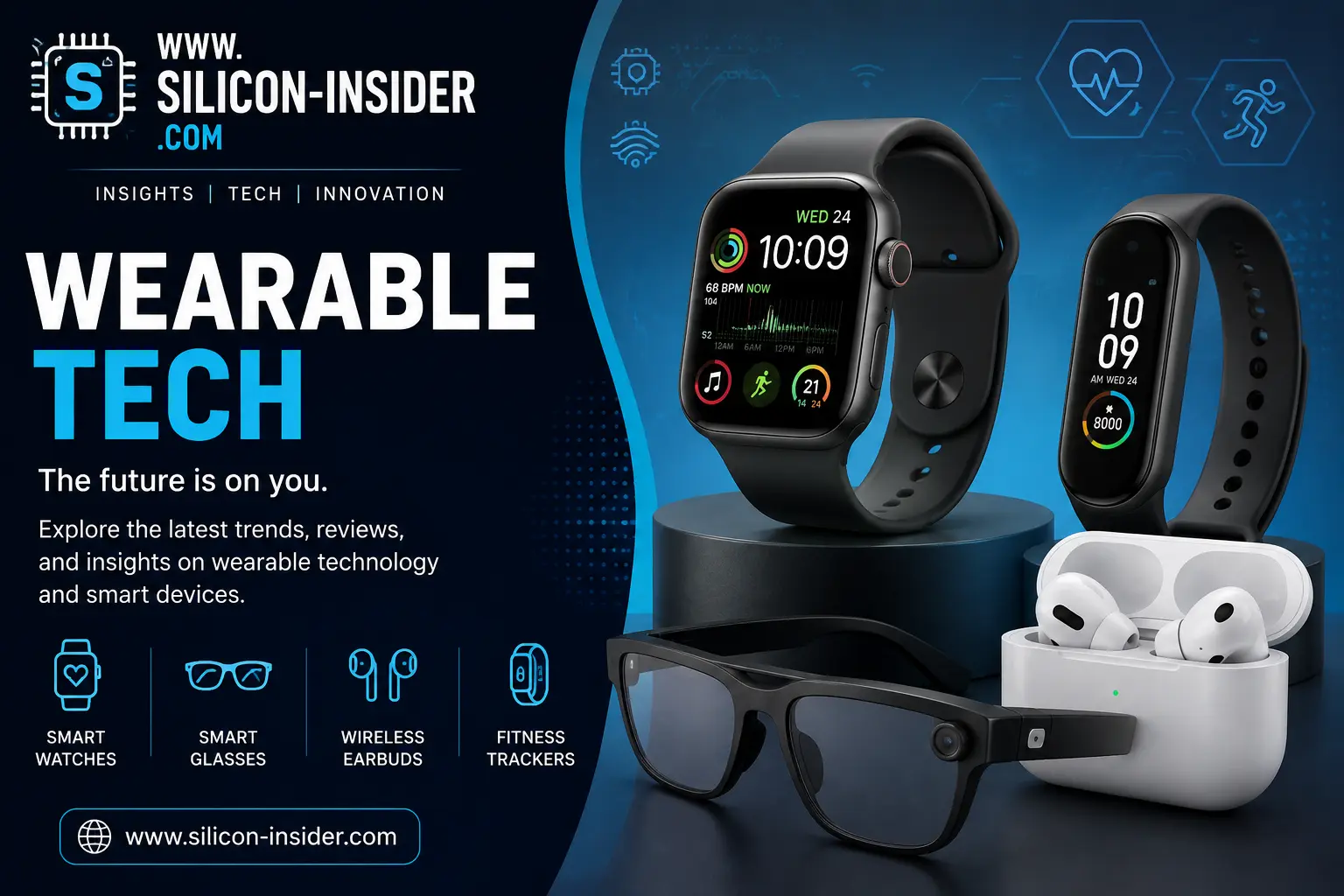
Wearable technology has become an important part of modern digital life. Smartwatches, fitness trackers, smart glasses, and other connected devices are changing how people monitor activities, communicate, and interact with technology. For readers interested in these developments, www silicon-insider .com wearable tech can be a useful search topic for exploring information about the wearable technology industry.
This guide explains wearable tech, common device categories, important features, and the trends shaping this rapidly developing field.
What Is Wearable Technology?
Wearable technology refers to electronic devices designed to be worn on the body. These devices often include sensors, processors, wireless connectivity, and software that allow them to collect information or provide useful functions.
Unlike traditional computers and smartphones, wearables are designed to remain close to the user throughout the day. This makes them convenient for activities such as fitness tracking, notifications, communication, and monitoring daily habits.
Popular Types of Wearable Devices
There are several categories of wearable technology available today.
Smartwatches are among the most common wearable devices. They can display notifications, track activities, monitor workouts, and provide access to various applications.
Fitness Trackers focus primarily on health and activity-related measurements such as steps, exercise duration, and sleep patterns.
Smart Glasses are another developing category. These devices can combine traditional eyewear with cameras, displays, audio, or connected features.
Wireless Wearables such as smart earbuds have also become popular. They can provide music playback, calls, voice assistance, and other connected functions.
Key Features of Wearable Tech
One major feature of modern wearables is connectivity. Many devices connect to smartphones through Bluetooth or other wireless technologies, allowing users to receive information without constantly checking their phones.
Sensors are another important component. Depending on the device, sensors may detect movement, location, heart rate, temperature, or other measurements.
Battery life is also an important consideration. Since wearables are designed for regular use, users generally prefer devices that can operate for extended periods between charges.
Comfort and design matter as well. A wearable device needs to be practical enough to wear for long periods without becoming inconvenient.
Benefits of Wearable Technology
Wearables can make everyday activities more convenient. For example, a smartwatch can display notifications without requiring users to take their phone out of their pocket.
Fitness-focused devices can help users understand their activity patterns and set personal goals. They can make exercise tracking more accessible by collecting information automatically during workouts.
Wearable technology can also provide entertainment and communication features. Smart earbuds, for instance, can make listening to music or answering calls more convenient while traveling or exercising.
Current Wearable Tech Trends
The wearable technology market continues to evolve. Manufacturers are focusing on improved sensors, longer battery life, smaller designs, and better connectivity.
Artificial intelligence is also becoming increasingly relevant to wearable devices. AI-powered features can potentially help users interpret collected information, personalize experiences, and interact with devices more naturally.
Another trend is the development of smart glasses and other wearable interfaces that could provide information without requiring users to constantly look at a smartphone.
Privacy and Security Considerations
Wearable devices can collect a considerable amount of personal information, depending on their features. This makes privacy an important consideration when choosing a device.
Users should review the permissions requested by wearable applications and understand what information is collected and how it is used. Keeping device software updated can also help improve security.
It is important to remember that wearable measurements are not always perfectly accurate. Information collected by consumer devices should not automatically be treated as professional or medical advice.
Read Also : Yahoo.com Overview: Is It Worth Using?
How to Choose a Wearable Device
When selecting a wearable, users should consider their primary purpose. Someone interested in fitness may prioritize activity tracking, while another person may care more about notifications, communication, or entertainment.
Battery life, compatibility, comfort, durability, price, and available features should also be compared before making a purchase.
Final Thoughts
www silicon-insider .com wearable tech represents an interesting topic for anyone exploring the rapidly changing world of wearable technology. From smartwatches and fitness trackers to smart glasses and connected earbuds, wearable devices are becoming increasingly integrated into everyday life.
As technology continues to improve, better sensors, smarter software, and more convenient designs could make wearables even more useful. However, users should always consider privacy, security, compatibility, and their individual needs before choosing a device.